Publications

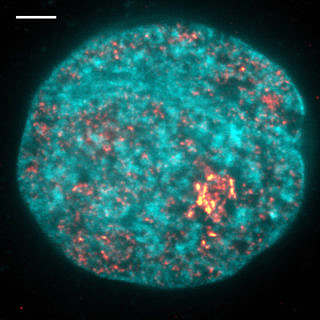
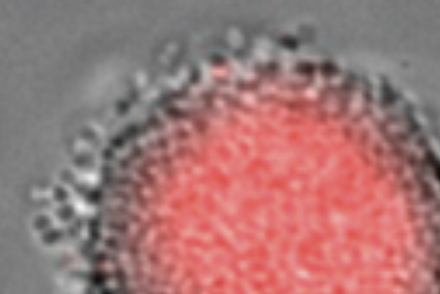
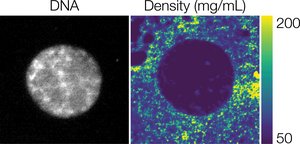
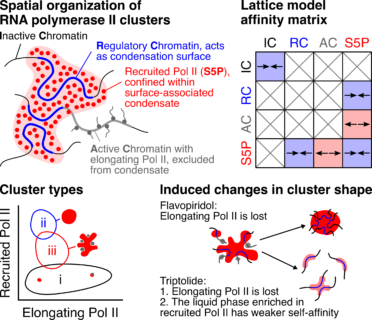
Just as life pulsates in big vibrant cities, it also prospers in crowded environments inside cells. The interior of cells is densely packed with biomolecules like proteins and nucleic acids. How is all this material distributed within a cell and what regulates its distribution? In a recent study pu...

Category: News of the group, Publications

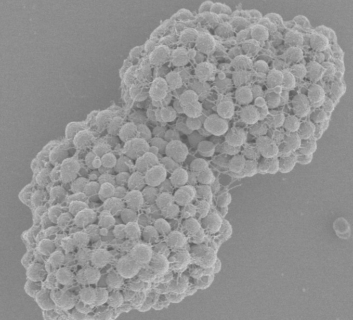
N. gonorrhoeae bacteria, colonize human epithelia and form nearly spherical aggregates, containing up to several thousands of cells, which are the infectious units of the gonorrhea disease. Formation of colonies could be described as an analogue of the condensation process....

Category: News of the group, Publications

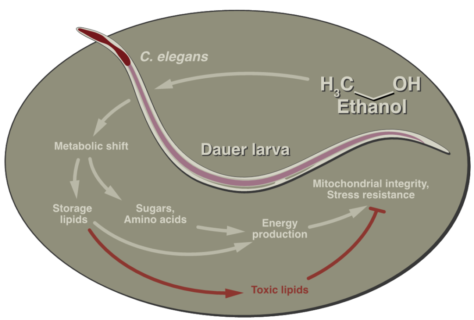
A longer lifespan due to alcohol consumption? This is at least true for nematodes (e.g. C. elegans). Together with the group of Prof. Dr. Teymuras Kurzchalia (MPI-CBG Dresden) we found out that alcohol helps C. elegans to live twice longer and survive desiccation. For more information, cl...

Category: News of the group, Publications

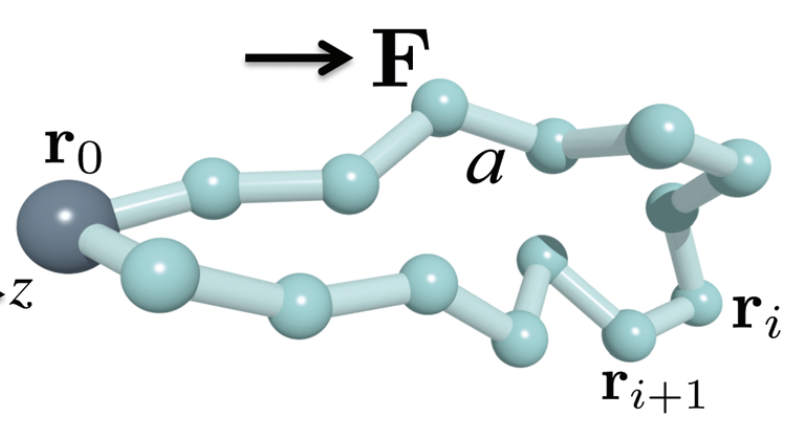
Shape of my heart ..., oh no, shape of polymer loops was the topic of our recent paper, "The shape of pinned forced polymer loops" , which was just published in Soft Matter. We are looking forward for a possible experimental counterpart of the theory. Stay tuned!
Category: News of the group, Publications

How a bunch of identical bacterial cells manage to self-aggregate into a colony and furthermore make it to exhibit some heterogeneous behavior? Is it a beginning of a multi-cellular development? See our latest work on N.gonorrhoeae bacteria: "Pili mediated intercellular forces shape heterogeneous b...

Category: News of the group, Publications